
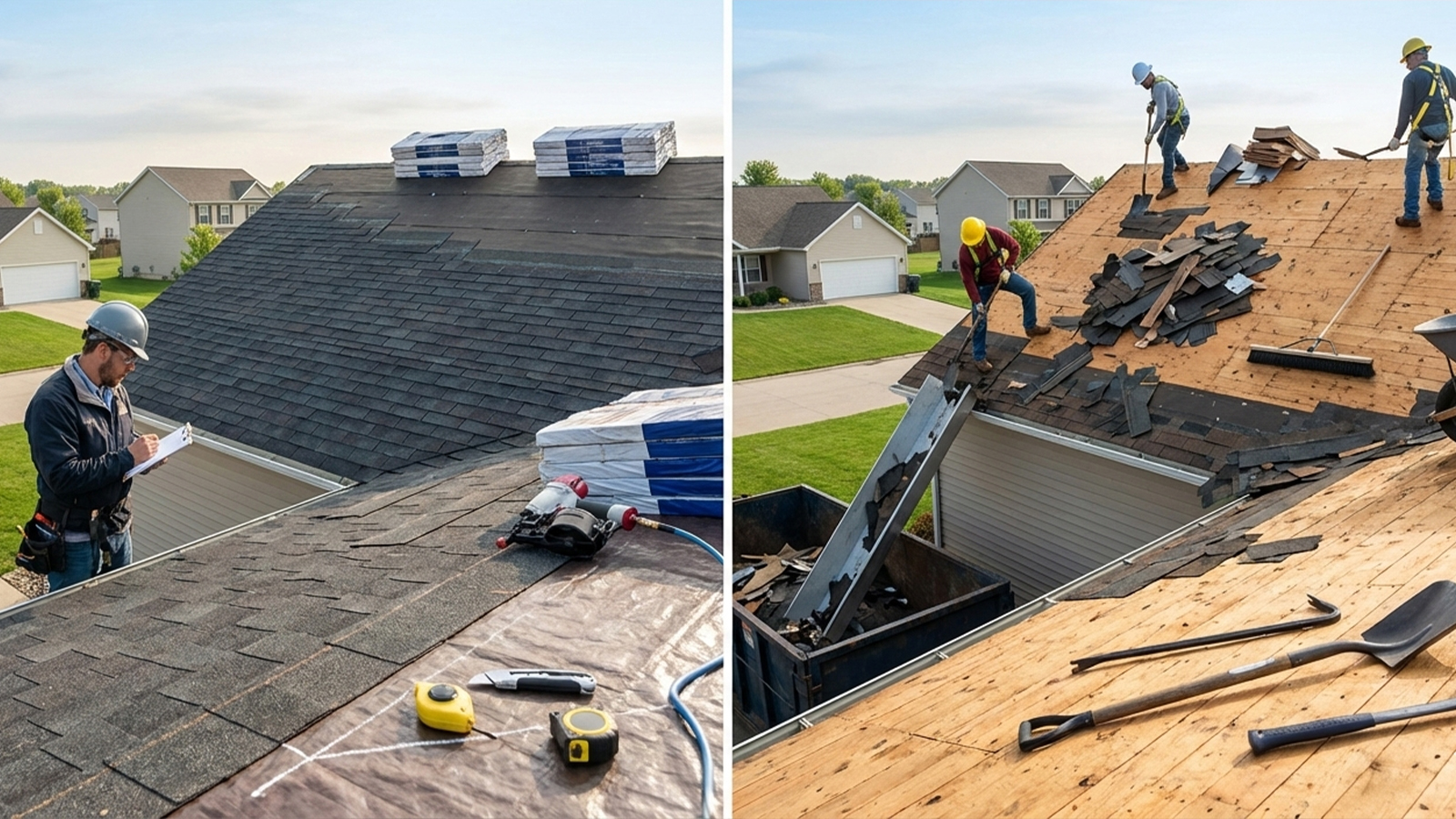
When your residential roof replacement day arrives, you face a critical choice that affects both your wallet and your home’s future. The decision between overlay vs tear off represents more than just picking a roofing method. It determines how much you’ll spend, how long it will last, and what value it adds to your property.
Every homeowner needs to understand the difference between these two approaches before signing any contract with a roofing contractor. An overlay means installing new shingles directly on top of your existing surface. This process saves you about 25% on initial costs.
A complete tear-off takes a different path. Your contractor strips away every shingle and material down to the deck. This decision impacts more than just today’s budget. It shapes your home’s protection for decades to come.
Key Takeaways
- Overlays cost 25% less than complete tear-offs but last only 16 years compared to 20-30 years
- Building codes limit homes to two shingle layers maximum, allowing just one overlay opportunity
- Complete tear-offs expose hidden roof deck damage that overlays might miss
- New roof installations through tear-off can add significant resale value to your home
- Overlay projects finish 25% faster than full replacements but may hide structural problems
- Your existing roof condition determines which replacement method works best
Understanding Your Roof Replacement Options
When planning to replace your old surface, you face a critical decision between two primary methods. Each approach impacts your roofing system differently, affecting both immediate costs and long-term performance. Understanding these options helps you make the best choice for your home’s specific needs.
What Is a Complete Roof Tear-Off?
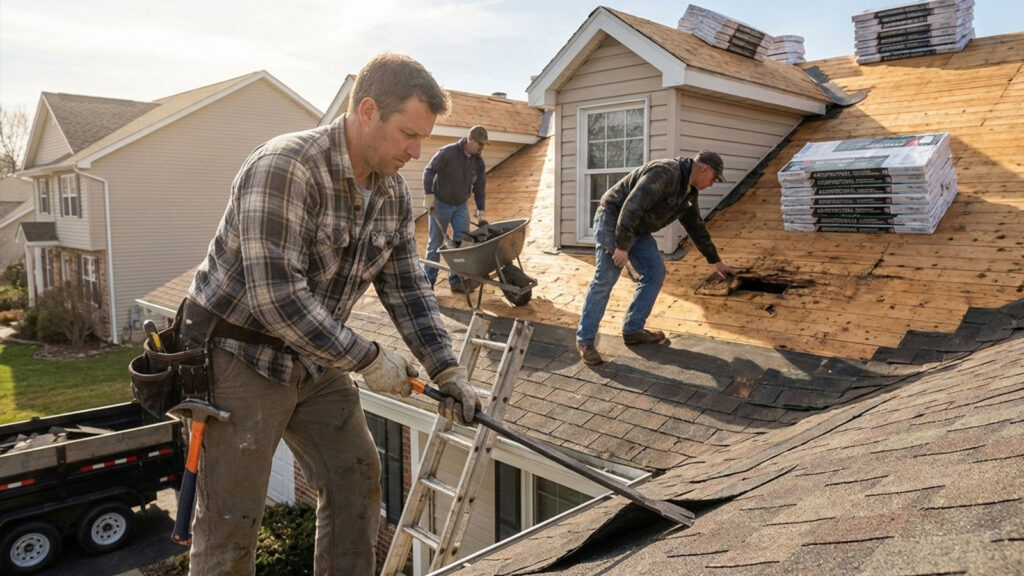
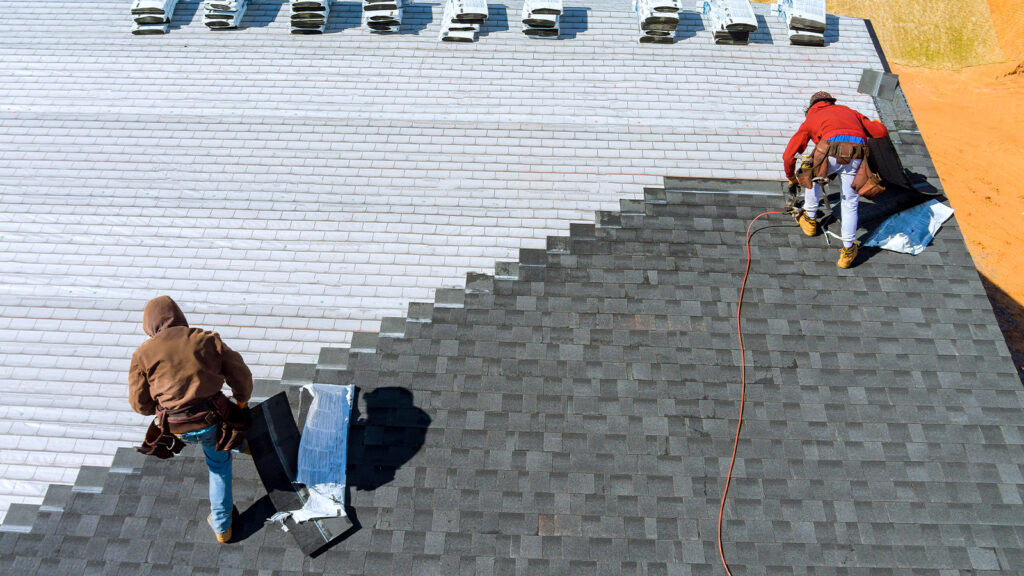
A complete removal involves stripping all existing materials down to the deck. Contractors remove every layer, exposing the structure underneath. This process allows thorough inspection of the decking, identifying any water damage or rot that needs repair before installing the replacement.
During this process, roofers use specialized tools to lift and remove old shingles systematically. They examine each section of decking, replace damaged wood, and install fresh underlayment. This method ensures your complete surface gets rebuilt from the deck up, creating a brand-new roofing system.
What Is a Roof Overlay Installation?
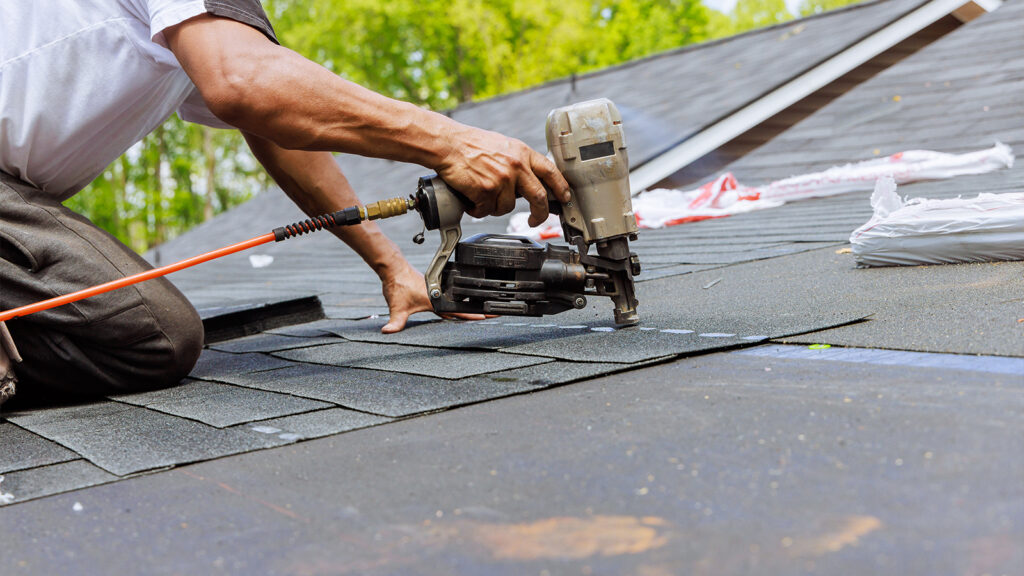
An overlay means installing new shingles directly over existing materials. New shingles go on top of your current layer without removing anything. This approach works only when you have one layer already in place, as building codes typically limit homes to two layers of shingles maximum.
Key Factors That Influence Your Decision
Several factors determine which method suits your situation best:
- Budget considerations – overlays cost approximately 25% less than tear-offs
- Time constraints – overlay installations finish 25% faster
- Current roof condition – overlays require structurally sound existing materials
- Material changes – switching from asphalt to metal requires complete removal
- Long-term goals – considering pros and cons of each approach
Your choice between these methods affects warranty coverage, home value, and future maintenance needs. Two layers of roofing mean you can’t apply another overlay next time, making this a one-time option.
Advantages and Disadvantages of Each Roofing Method
When you need a replacement, understanding the pros and cons of each method helps you make the best decision for your home. Each approach offers distinct benefits and challenges that affect your upfront cost and long-term value.
Benefits of Choosing a Roof Overlay
Installation adds a new layer of shingles directly over your existing surface. This method costs about 25% less than a full removal and takes 25% less time to complete. Your daily routine stays mostly uninterrupted since roofing companies can finish the job faster with less preparation work.
The process creates minimal mess around your property. You get instant curb appeal without dealing with disposal fees or dumpster rentals. The extra layer of shingles provides additional weather protection for your home.
Drawbacks of the Overlay Method
Multiple layers of materials add significant weight to your home’s structure. This extra load becomes especially problematic in areas with heavy snow. This method typically lasts only 16 years compared to 20-30 years for a complete replacement.
Trapped heat and moisture between layers accelerates deterioration. The new shingles mask underlying problems like rot, leaks, or structural damage that continue to worsen unseen.
Why Complete Tear-Offs Deliver Superior Results
A full replacement starts fresh with all-new materials. Getting a complete removal allows thorough inspection of your deck. Contractors can identify and fix rot, mold, or structural weaknesses before installing new shingles.
- Properly installed roofs last 20-30 years
- Full manufacturer warranty coverage available
- Option to upgrade underlayment and ventilation
- Better long-term value for your investment
Potential Challenges with Full Roof Replacement
A full removal is more labor intensive, making the upfront cost higher. The process takes several hours to days longer and creates substantial noise and debris. Your household routines face more disruption during installation.
Structural Considerations and Building Code Requirements
Before deciding between these methods, you need to know how building codes affect your options. Most municipalities across Texas enforce strict regulations that limit homes to a maximum of two layers of materials. This means if your home’s structure already has an overlay, you’ll need a complete removal for your next roofing solution.
Installing a new layer adds approximately 350 pounds per roofing square to your home’s structure. Before choosing either method, contractors must examine your existing surface for weight capacity. Older homes built before 1970 often lack the structural support for additional layers. Watch for warning signs like sagging decks, interior wall cracks, or unusual creaking sounds that indicate the structure can’t handle extra weight.
Several damage indicators require immediate complete removals rather than overlays. Curling shingles show water damage or heat problems from poor ventilation. Water stains on ceilings, visible mold, soft spots in the deck, and damaged flashing around chimneys all point to structural issues. These problems won’t improve with an overlay—they need complete replacement to be best for your home.
Labor costs vary significantly between methods. Complete removals require extraction, inspection, preparation, and installation work. Disposal fees range from $300 to $500 for dumpster rentals and proper material handling. Building permits typically cost $75 to $250, depending on your location. A trusted contractor like us at Nailed It Roofing Pros should handle permit paperwork, but verify these fees are included in your estimate.
Impact on Home Value and Resale Potential
When you need a replacement, the method you choose directly affects your home value and future selling prospects. Understanding the difference between these installations helps you make a decision that maximizes your investment and appeals to future buyers.
How a New Roof Affects Market Appeal
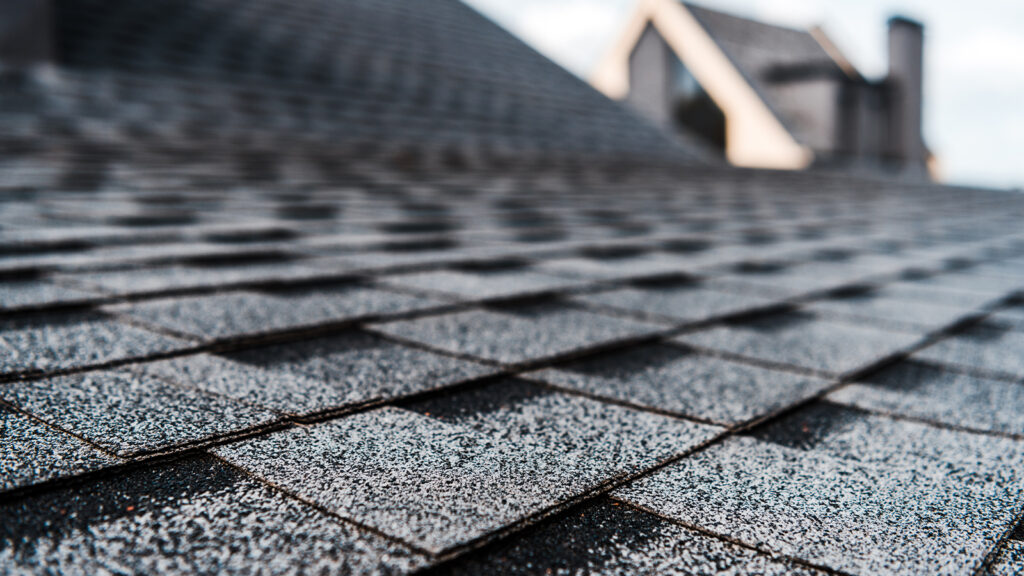
A replacement could add $12,000 to $15,000 to your resale value in Houston’s competitive market. Your surface makes up 40% of your home’s visible exterior, creating that crucial first impression for potential buyers. Replacing it with a complete removal delivers a clean, uniform appearance that buyers notice immediately.
The existing system underneath affects how adding another layer looks from the street. Overlays often create uneven surfaces and mismatched lines that signal shortcuts to savvy buyers. A properly installed complete removal helps protect your home while boosting curb appeal with perfectly matched colors and straight lines.
Warranty Coverage and Buyer Confidence
Manufacturers typically offer stronger warranties for complete removals compared to secondary installations. Many warranties become void if problems arise from the old materials underneath. Transferable warranties from a full replacement become powerful selling tools, giving buyers confidence that it will last longer.
Return on Investment for Houston Homeowners
The 2023 Cost vs Value report shows roof replacements deliver 60-70% return on investment, averaging $17,807 in added resale value. While some contractors advertise a free roof through insurance claims, investing in quality replacement when it’s time for a new roof pays dividends at sale time.
Choosing the Experts at Nailed It Roofing Pros for Your Houston Roof Replacement
When you’re in the market for a replacement, selecting the right roofing professionals can save you thousands of dollars and years of headaches. At Nailed It Roofing Pros, our experts evaluate whether you need a complete removal method or if you qualify for an overlay installation.
Our team examines every detail of your existing surface to help you make the best decision. We check for hidden damage beneath the surface, assess structural integrity after years of wear and tear, and determine if your home can safely support a new layer of shingles directly over the existing ones. Many homeowners appreciate our transparent approach—we provide detailed estimates that break down costs for both methods.
What sets our professionals apart is our deep understanding of Houston’s unique climate challenges. While overlays require less labor and cost initially, our experience shows that Houston’s humidity, heat, and storm patterns often make complete removals the smarter investment. We handle everything from permit acquisition to proper disposal, ensuring your project meets all local building codes.
| Service Feature | Overlay Method | Tear-Off Method |
|---|---|---|
| Initial Cost | 40-50% Lower | Higher Investment |
| Labor Requirements | Less Labor Needed | Full Crew Required |
| Project Timeline | 1-2 Days | 3-5 Days |
| Warranty Coverage | Limited Options | Full Manufacturer Warranty |
| Expected Lifespan | 10-15 Years | 20-30 Years |
Your new roof should typically last decades when installed correctly. That’s why our certified installers focus on quality workmanship that protects your investment and increases your home’s value in Houston’s competitive real estate market.
Conclusion
Your roof without proper planning can become a costly mistake that affects the top of your home for years. The decision between an overlay and complete tear-off shapes your home and budget in different ways. An overlay takes less time and money upfront, saving you about 25% compared to a full replacement. But this second layer installed directly on top of existing shingles typically lasts just 16 years, while a tear-off can protect your home for 20 to 30 years.
Many roofing professionals like Nailed It Roofing Pros recommend evaluating the current condition of your structure before making this choice. Building codes in most areas limit homes to two layers of shingles, which means an overlay might be your last option before requiring a complete tear-off next time. A roof include factors beyond just price – structural integrity, hidden damage, and your plans for staying in the home all matter. Removing old roofing materials during a tear-off reveals problems that overlays would hide, letting you fix issues before they worsen.
The right choice depends on your specific situation and goals. Short-term homeowners might benefit from an overlay’s lower cost, while those planning to stay put often find brand new roofing provides better value and peace of mind. Quality installation matters regardless of which method you select. Professional roofers can assess your roof’s condition and help you make a decision that protects your investment for decades to come.
FAQ
How much does a roof overlay cost compared to a tear-off?
A roof overlay costs approximately 25% less than a complete tear-off. The overlay method requires less labor because contractors install new shingles directly over existing materials, while tear-offs involve removing all old roofing materials down to the deck.
How long does a roof overlay last versus a complete tear-off?
An overlay roof typically lasts 16 years, while a complete tear-off lasts 20-30 years. The tear-off method provides superior longevity because contractors install all-new materials on a clean roof deck with proper underlayment and ventilation.
Can you install an overlay on top of an existing overlay?
No, building codes limit residential roofs to two layers of shingles maximum. If your roof already has an overlay (two layers total), your next replacement must be a complete tear-off that removes all existing materials.
Which roofing method is faster – overlay or tear-off?
A roof overlay finishes 25% faster than a complete tear-off. Overlay projects take 1-2 days because contractors skip the removal process, while tear-offs require 3-5 days to strip materials, inspect decking, and install the new roof.
Which method adds more value when selling your home?
A complete tear-off adds $12,000-$15,000 to your home’s resale value and delivers 60-70% ROI. Tear-offs provide full manufacturer warranties and better visual appeal than overlays, which buyers often view as a temporary fix.